

With the advancement of lighting technology, LED colors have become a crucial element in commercial lighting design. For enterprises and professional lighting users, LED not only means energy conservation and high efficiency, but also represents the diversity of light colors, the improvement of visual experience and the extension of brand image. From office lighting to retail displays, LED colors are reshaping the lighting environment of commercial spaces in a refined way.
Now let us explore LED colors and how it influences commercial and public lighting design.
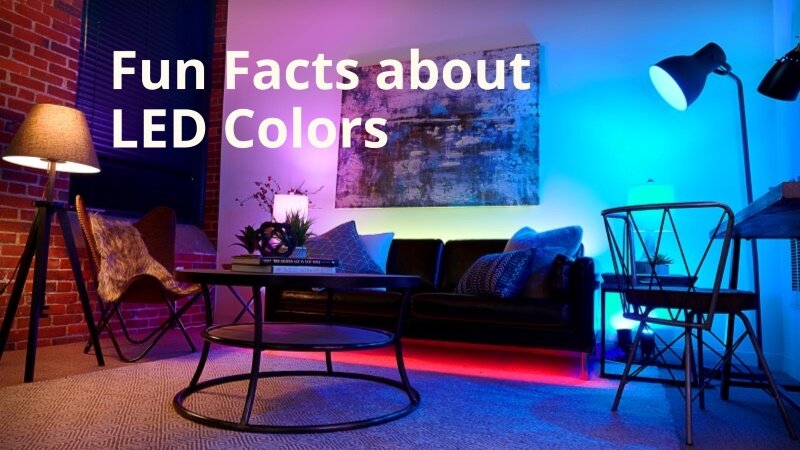
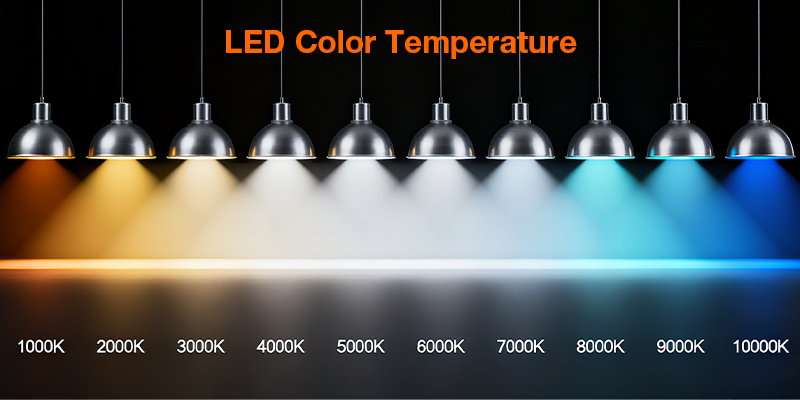
LED colors are related to color temperature. Color temperature is mainly used to describe the color bias of white LEDs, with the unit being Kelvin. Different color temperatures give people different feelings.
● Warm White (2700K - 3000K): It's very much like a traditional incandescent bulb or the sunlight at dawn and dusk. These LEDs are more suitable for places like bedrooms and living rooms where a warm atmosphere is needed.
● Day White (3500K - 4500K): It is close to the natural sunlight in the morning or afternoon. which is suitable for work areas that require concentration.
● Cool White (5000K - 10000K): It is proper for work areas that require high alertness and clarity, such as hospitals, factories, warehouses, parking lots, and operating rooms.
The color rendering index (CRI) measures how accurately LED lights show the true colors of objects, with values from 0 to 100. A CRI above 80 is enough for daily use like homes and malls, while places needing precise color, such as galleries, museums, or clothing stores, require a CRI over 90.
Here is a compared chart to help you make decisions for your lighting project.
| Application | Recommended Color Temperature | Recommended CRI |
|---|---|---|
| Office | 3500K–4000K | ≥80 |
| Retail Store | 3500K–4500K | ≥90 |
| Medical Area | 5000K–6500K | ≥90 |
| Hospitality | 2700K–3000K | ≥80 |
| Industry | 5000K+ | ≥80 |
LED colors not only affect visual perception but also influences brand expression and commercial conversion. Warm Light emphasizes closeness to life, a sense of quality and warmth. Cold light highlights professionalism, technology and high efficiency. Brands can quickly convey their style positioning to consumers through LED colors.
The diversity of LED colors is extremely important. It is far more than just making the world more colorful; it profoundly influences multiple aspects such as technological application, human physiology and psychology, as well as commercial value.
Through the combination of RGB LEDs, millions of colors can be created. These colors are used in stage lighting, architectural landscape lighting, festival decoration, etc. This greatly enhances artistic expressiveness and entertainment experience. It can evoke people's emotions and create a unique visual feast.
In addition, if the light in the office is close to natural light, it can stabilize one's mood. In retail stores, warm color temperatures create a cozy and friendly atmosphere, alleviating the sense of strangeness and anxiety during shopping.

The non-imaging visual cells of the human eye are most sensitive to blue light at about 460–480 nm. During the day, exposure to blue light helps suppress the secretion of melatonin. This keeps people alert and awake. At night, reducing blue light exposure can help promote sleep. The diversity of LED colors allows us to create smart lighting systems with adjustable color temperatures. These systems can simulate the changes of natural light at sunrise and sunset, which improves people's sleep quality and overall health.
In commercial environments such as retail, hospitality, offices, and healthcare, choosing the right LED color is a benefit of personal wellbeing.
Photosynthesis in plants mainly absorbs blue light and red light. Using a specific proportion of red and blue LEDs to form plant growth lamps can provide the most effective food for plants. This avoids wasting energy to produce green light and other light that plants do not absorb much. It greatly improves energy utilization efficiency.
The application of LED color technology in horticultural lighting brings enormous commercial benefits. For indoor farms, greenhouses, and vertical farming systems, LEDs with customized color spectra allow precise control over plant growth cycles, flowering periods, and nutritional content.
LED colors are the foundation for achieving high-quality white light. By using red, green, and blue LEDs in different proportions or developing more phosphors of various colors, we can precisely control the color temperature and color rendering index of white light. High CRI light can reproduce the original color of objects more accurately. This is crucial for scenarios such as museums, art galleries, clothing stores, and operating rooms.
In retail environments, accurate color reproduction makes products appear more vivid, textured, and true-to-life. This boosts customer satisfaction and conversion rates, especially for color-sensitive categories such as apparel, cosmetics, jewelry, and premium furnishings.
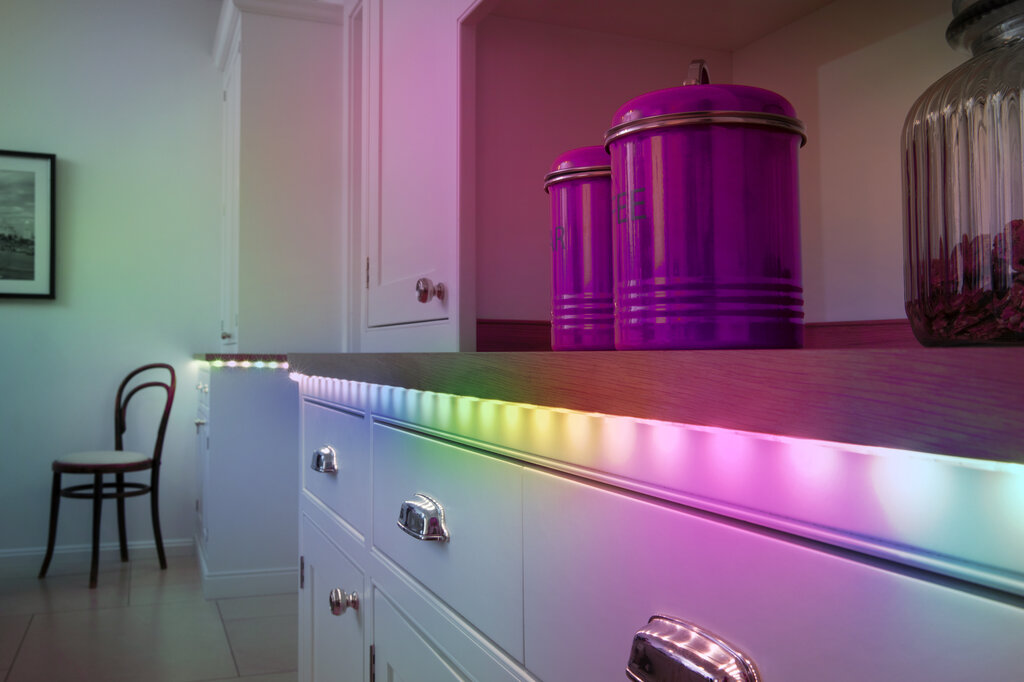
Different LED colors have very wide applications in real life. In the field of lighting, apart from the common white leds, LED colors also play an important role.
In the field of display, the application of LED colors is even more indispensable. The screens of mobile phones, computer monitors, TV screens and other devices we use in our daily life mostly adopt LED as the backlight or directly use LED display screens. By controlling the brightness and combination ratio of the three basic LED colors of red, green and blue, a wide variety of colors can be displayed, presenting rich and diverse images and video content.
Specific LED colors also play a unique role in the medical field. Blue light can be used to treat jaundice in newborns. Near-ultraviolet LEDs can be used for disinfection and sterilization. Red light of specific wavelengths has been studied for skin treatment and to relieve inflammation.
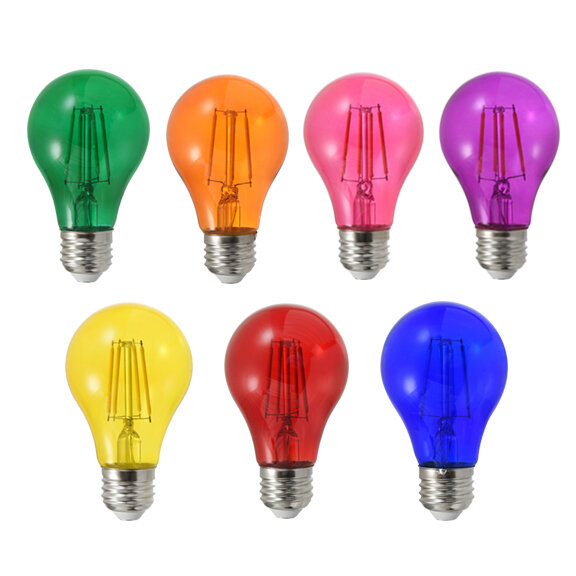
When Christmas or other festive occasions are approaching, LED colors become an essential part of decoration. They bring warmth and vibrancy to homes, stores, and public spaces, creating a joyful atmosphere that enhances the celebration. From string lights on Christmas trees to colorful LED displays in shop windows, these lights not only illuminate the surroundings but also set the mood, making every corner feel more lively and festive.
LED creates various dazzling and colorful lighting effects, making parks, squares, buildings, etc. more eye-catching. Whether it’s a dynamic light show on a landmark building, decorative pathway lights in a park, or vibrant illumination in a city square, LEDs enhance the visual appeal and attract people’s attention.
| LED Light Color | Mood | Setting |
|---|---|---|
| Orange | Warm, Cozy, Energetic, Friendly | Living rooms, dining areas, entertainment spaces, autumn decorations, creating a welcoming vibe |
| Red | Passionate, Intense, Urgent, Alert | Dining rooms, accent lighting, bars, festive decor, warning signals |
| Yellow | Cheerful, Optimistic, Energetic, Focused | Kitchens, home offices, study areas, retail displays, spaces that need a sunny lift |
| Blue | Calm, Serene, Peaceful, Technological | Bedrooms, bathrooms, meditation spaces, tech product backlighting, modern aesthetics |
| Green | Natural, Balanced, Refreshing, Soothing | Reading nooks, spas or wellness areas, plant lighting, home studios, to reduce eye strain |
| Purple | Mysterious, Luxurious, Creative, Romantic | Creative studios, bars, bedroom ambiance, fashion displays, artistic installations |
| White | Clean, Pure, Modern, Efficient | Kitchens, bathrooms, offices, gallery lighting, task-oriented areas |
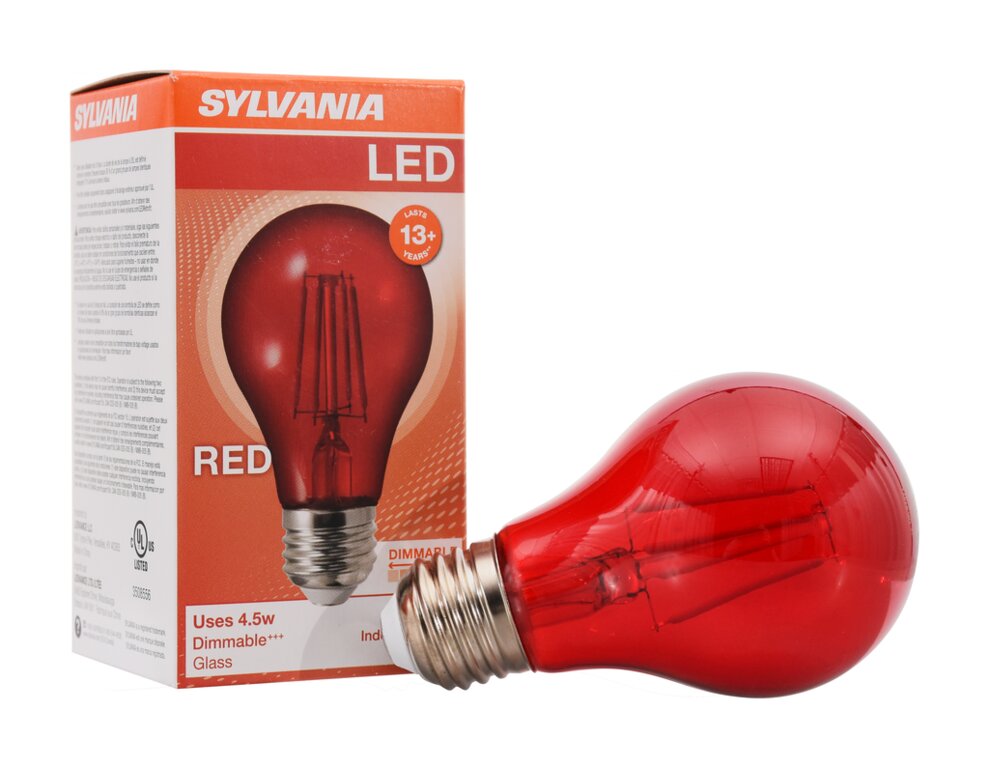 LED Red: Red LED has significant application value in commercial lighting and signage systems due to its high brightness and strong visual guidance. It is often used in advertising signs, warning signals, stage lighting and retail displays, and can effectively attract attention and enhance visual impact. Meanwhile, red LEDs also feature high energy efficiency and strong weather resistance, making it suitable for various indoor and outdoor environments.
LED Green: Green LED plays a unique role in commercial lighting with its fresh and balanced tones. Compared with the warning and emphasizing functions of red light, green light is more often used to create visual comfort and spatial hierarchy. In environments such as office lighting, hospital indication systems, and shopping mall decorative lighting, green LED lights are often applied in combination with other color temperature light sources to balance the overall visual atmosphere.
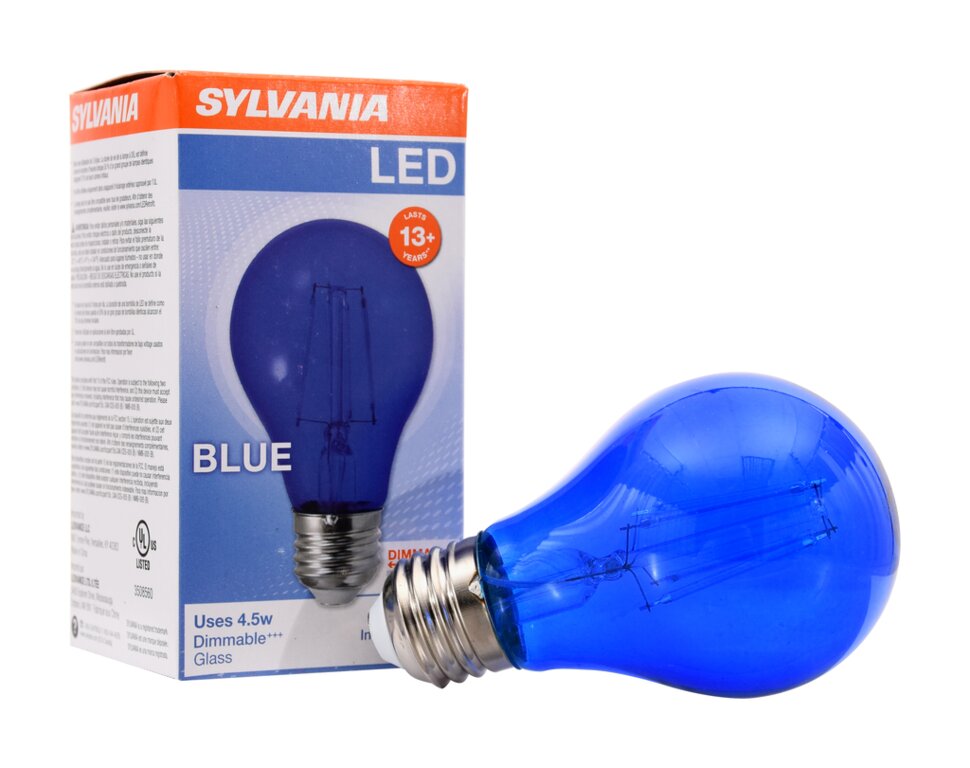 LED Blue: Blue LED is extensively utilized in high-brightness display screens, cold light source lighting, commercial display cabinets, building facades, and stage special effects lighting, etc., bringing clear and highly technological visual effects to spaces. In terms of functional lighting, blue leds are often used in medical lighting, testing equipment and electronic displays. In addition, blue leds are also the core foundation of white leds.
Beyond the primary red, green, and blue LEDs, other colors like yellow, orange, and purple are created through phosphor conversion or advanced packaging techniques. For example, yellow LEDs can be produced by coating a blue LED chip with yellow phosphor, which absorbs part of the blue light and re-emits yellow light, blending the two to appear yellow to the human eye.
Different LED colors are not only visual elements that create an atmosphere, but also important tools that influence the functionality of the space and the presentation of the brand. However, the choices of LED colors is never a random combination, but a precise adaptation that meets the requirements of the scene.
This guide provides practical selection strategies for LED color application across various sectors, including hospitality, retail, industrial spaces, and more. We hope the insights here help you make more informed decisions when configuring LED colors for your commercial lighting projects.
FOLLOW US ON:


