
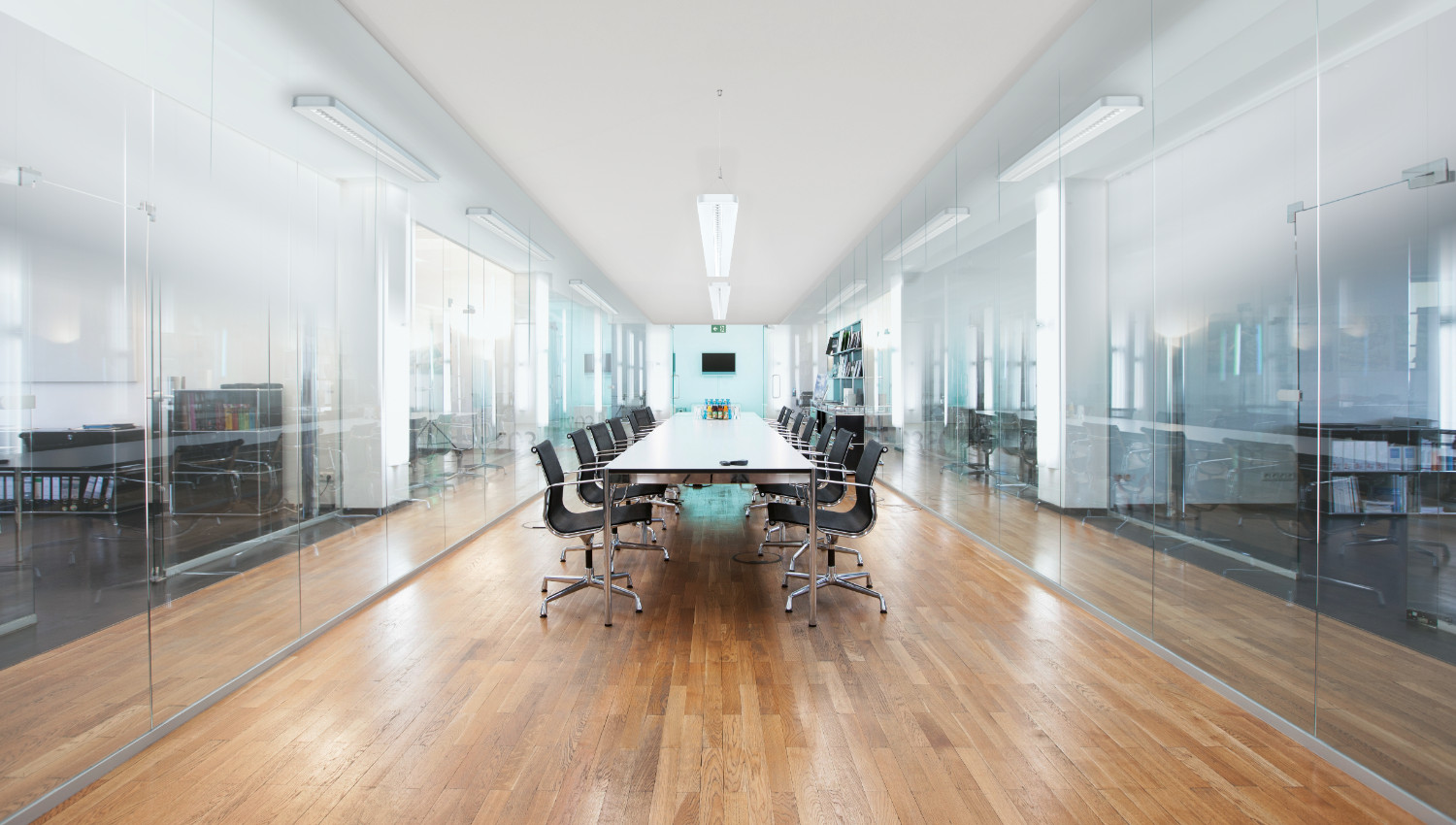
If you’re looking for the perfect way to illuminate translucent materials with stunning clarity, LED light panels for backlighting are the solution. These panels spread light evenly, creating a smooth, glowing surface that works perfectly behind stone, stained glass, artwork, graphics, and more. Widely used in office buildings, schools, and other commercial spaces, these LED panels provide uniform, bright illumination with improved performance.
In this article, we’ll explore the advantages, design features, and common applications of LED light panels for backlighting, helping you understand why they’re a great choice for modern lighting solutions.
An LED Light Panel for Backlighting features LEDs positioned behind the panel's frame, emitting light through a lens that spreads the light evenly across a wide area. This design eliminates the need for additional components like guide panels or diffusers, as the lens itself helps reduce glare and ensures uniform brightness. These panels are typically installed in ceilings with adequate depth, offering excellent coverage for large indoor spaces.
The simplicity and efficiency of LED backlight panels make them ideal for general lighting in areas such as hallways, offices, and classrooms.
One of the main benefits of LED light panels for backlighting is their versatility. These fixtures can be installed in various indoor settings to provide bright, energy-efficient lighting. Some of the most common locations for LED backlight panels include:
Architectural Design: Architects and designers have embraced LED panel backlighting as a tool to transform spaces. By illuminating translucent materials such as marble, onyx, glass, or acrylic, designers can create striking visual effects. Large LED panels embedded behind diffusers create luminous surfaces that enhance interiors in offices, hotels, and restaurants.
Signage and Advertising: Trade shows often use backlit walls or counters to highlight brands and products. Large-format advertising panels require even lighting to ensure messages are visible both day and night.
Office Buildings: Bright, consistent lighting for workspaces. Their slim, modern design blends seamlessly into ceilings or walls, delivering consistent illumination for desks, meeting rooms, and common areas.
Schools: Energy-efficient lighting for classrooms and hallways. Their glare-free design reduces eye strain for students and teachers, creating a more comfortable learning environment.
Restaurants: Soft, ambient lighting for dining areas. They’re integrated behind walls, ceilings, or decorative features, creating a warm and inviting glow without harsh glare. By evenly diffusing light, they highlight interiors, artwork, or textured surfaces, adding depth and character to dining spaces.
Utility Rooms: LED light panels offer reliable backlighting that ensures functional spaces like storage areas, laundry rooms, and maintenance zones are well lit and practical to use.
LED light panels for backlighting are perfect for spaces that require general, even lighting. They are typically not used as spotlights but rather for creating a well-lit environment across large areas. For added flexibility, you can choose dimmable options to adjust brightness based on the specific needs of the space.
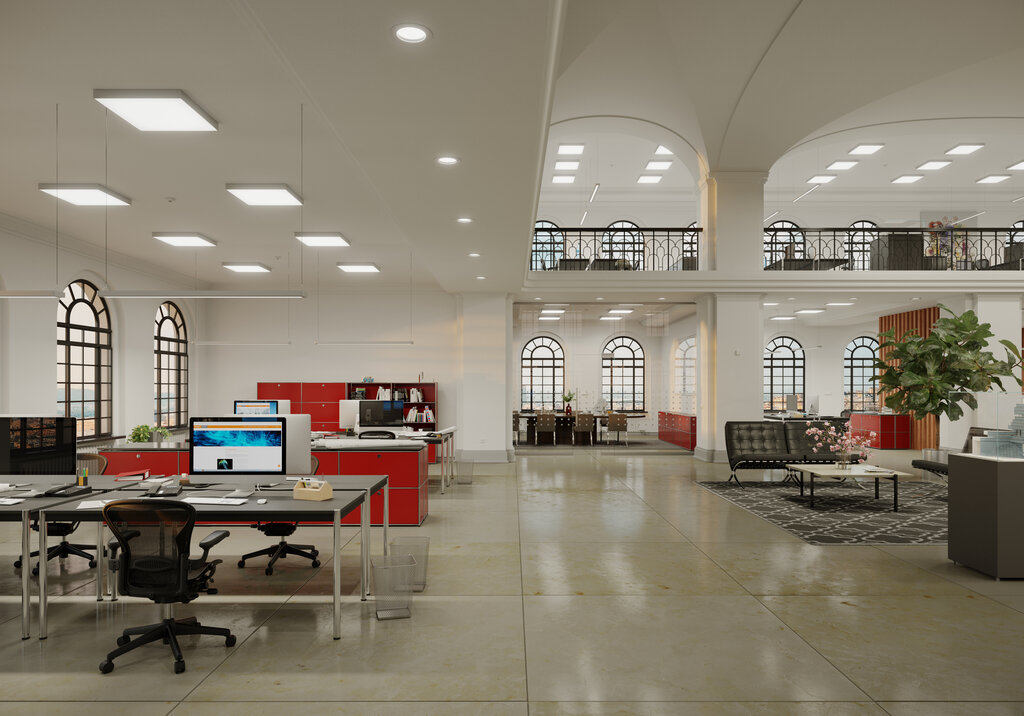
Both LED edge lighting and backlighting are popular choices for modernizing traditional ceiling fixtures. While they share some similarities, there are key differences in design and performance:
LED Backlighting: In this setup, the LED lights are placed behind the panel, providing uniform illumination across the entire surface. This design is ideal for general lighting in large spaces, as it ensures brightness from all angles.
LED Edge Lighting: Here, the LEDs are placed along the edges of the panel, with light diffused through the center. While this design was initially more popular, it is less efficient compared to backlighting, as it requires additional components to direct the light properly.
Backlit LED panels tend to be more efficient and provide better light distribution, while edge-lit models may still be preferred for their aesthetic appeal or lower initial cost.

Upgrading to LED light panels for backlighting offers significant advantages, especially when replacing fluorescent lighting.
Energy Saving
LEDs use less energy, leading to lower bills and long-term savings. They also provide flicker-free lighting, reducing eye strain, and produce less heat, helping maintain a comfortable temperature in your space.
Longer Lifespan
LED light panels for backlighting last 50,000 to 100,000 hours, reducing the need for frequent replacements and lowering maintenance costs. Additionally, they are durable and, with wet-rated options, reliable for high-humidity environments.
Uniform Illumination
LED light panels for backlighting enhance visibility and create a clean, modern look—perfect for displays, signage, architectural features, or general lighting. They also produce less heat, making them safer and more comfortable in enclosed spaces.
With options for customizable sizes, colors, and brightness levels, LED backlight fixtures can be tailored to fit a wide range of applications. In short, switching to LEDs is a smart choice.
LED light panels for backlighting are a smart, energy-efficient lighting solution for a wide range of indoor applications. Whether you're outfitting an office, classroom, or restaurant, these panels provide uniform illumination, reduced energy consumption, and longer lifespans than traditional lighting options. Upgrade to LED backlight fixtures today and enjoy a more sustainable, comfortable, and cost-effective lighting solution.
FOLLOW US ON:


