
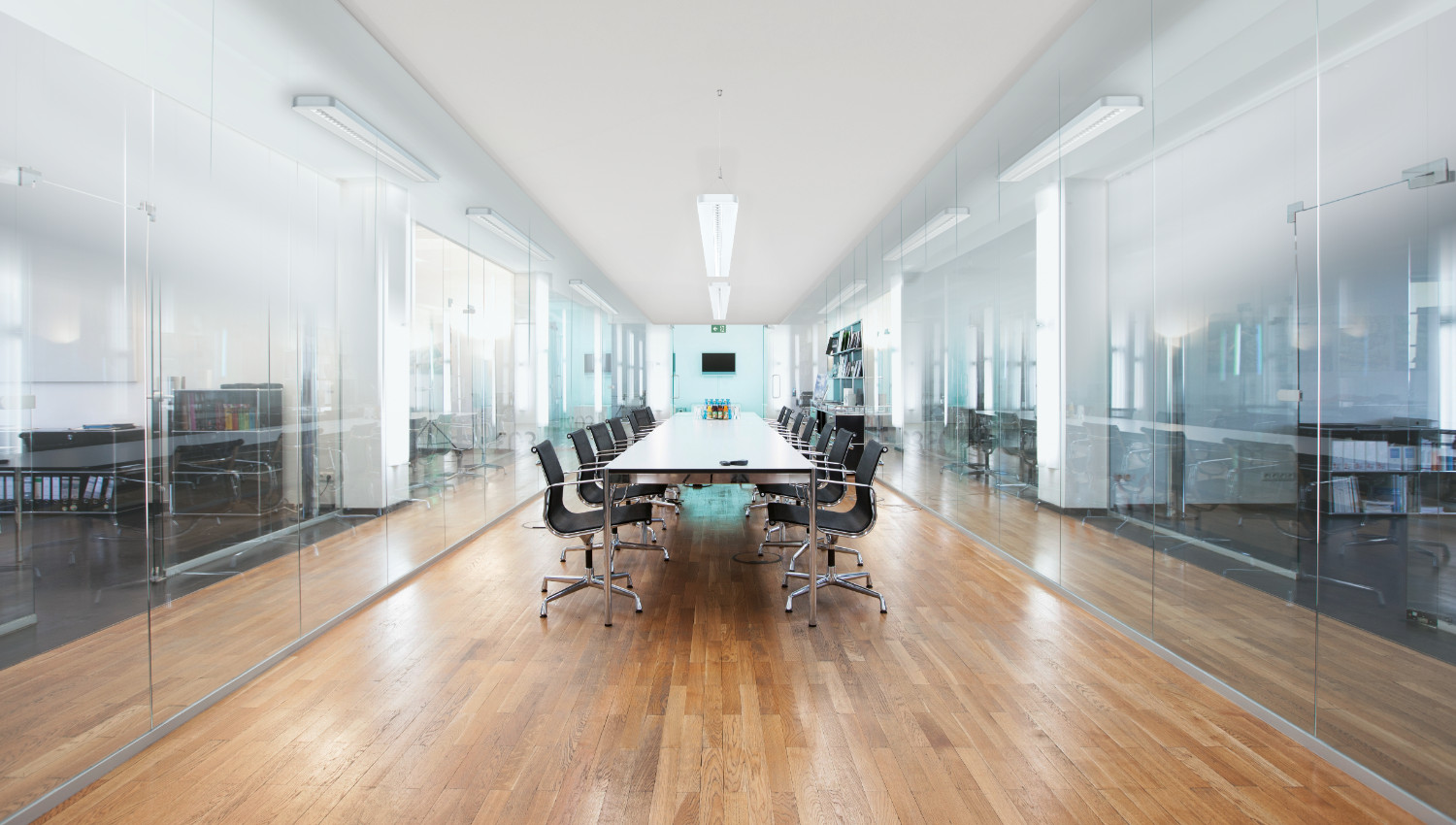
Track lighting is an increasingly popular choice for modern homes and businesses due to its versatility, sleek design, and ability to highlight specific areas. However, you might feel confused about how to choose the right one for your lighting project.
In this guide, we'll delve into everything you need to know about track lighting, focusing particularly on the different types of bulbs available and how to choose the right ones for your space.
Track lighting is a versatile lighting system where multiple light fixtures are mounted onto a continuous track that is secured to a ceiling or wall. Unlike traditional lighting, the track itself acts as a power source, allowing the fixtures to be moved, repositioned, or added anywhere along its length without the need for additional wiring. This flexibility makes track lighting an excellent choice for both functional and decorative purposes.
It is commonly used to highlight artwork, accentuate architectural details, or brighten specific areas such as kitchens, offices, and retail spaces. Beyond accent lighting, track lights can also provide general ambient illumination, depending on the bulb type and layout. Available in various designs, finishes, and fixture styles, track lighting adapts easily to different interior aesthetics.

One of the main advantages of LED track lights is flexibility. The fixtures can be easily repositioned along the track, allowing you to direct light exactly where you need it. This adaptability makes LED track lights ideal for spaces where lighting needs may change over time, such as galleries, kitchens, or retail environments.
Additionally, track lighting adds a modern, sleek look to any space, with tracks and fixtures available in various styles and finishes, enabling you to customize the aesthetic to match your decor. It provides bright, clear light that can be adjusted to suit different tasks and activities while consuming less energy than traditional lighting options.
Track lights with LED bulbs consume less electricity and have a longer lifespan compared to traditional incandescent or halogen bulbs, reducing both energy costs and the frequency of bulb replacements. Furthermore, track lighting allows you to highlight specific areas or objects, such as artwork, architectural features, or workspaces. This targeted lighting enhances the visual interest and functionality of any space, making it a versatile and efficient lighting solution.
Track lighting systems offer a versatile solution for various lighting needs, consisting of two primary components: the rail (or bar) and the track heads. The rail is mounted to the ceiling or wall, and the track heads attach to the rail, allowing them to be rotated and directed to different areas. This flexibility enables the creation of multiple lighting effects tailored to specific locations and purposes.
● Modern Industrial Style: It features a sleek and minimalist design, often with exposed bulbs and simple, geometric shapes.
● Contemporary Style: This style emphasizes clean lines and a streamlined look.
● Minimalist Style: Characterized by simplicity and elegance, it uses few elements to achieve the desired lighting effect.
● Smart Style: It incorporates intelligent control technology.
● Oil-Rubbed Bronze: It has a dark, rich color with an antique-like appearance, adding a touch of elegance and warmth to the space.
● Brushed Nickel: This finish has a subtle, satin-like texture and a silver-gray color.
● Black: Black-finished track lighting is bold and dramatic, making a strong visual statement.
● White: White-finished track lighting provides a clean and fresh appearance.
● Polished Chrome: It has a shiny, reflective surface that gives a very modern and glamorous look.
● Brass: Brass finishes offer a warm, golden-yellow hue that adds a sense of luxury and timelessness.
● Linear Track Lighting: Also known as the standard track, it is a straight length of track, usually 4 to 8 feet long, and can be extended if needed.
● Swing Arm Track Lighting: It has fixed track lighting arms with one or more arms that cannot move along the track but can swivel on joints.
● Round Back Head Track Lighting: This is a contemporary-style track lighting with rounded backs.
● Pinhole Head Track Lighting: It has a similar basic form as step heads and round back heads but has a slightly exposed back, giving it an artsy look.
● Pendant Track Lighting: The fixtures hang on the rail using a cord, mainly used for decoration.
Whether you're looking to enhance the aesthetic appeal of your space or improve functionality, the various types of track lights can be adapted to meet your specific needs.

● Lumen Level: Bulb brightness is measured in lumens. For ambient lighting, opt for bulbs with lower lumens, while task lighting requires higher lumens to provide adequate illumination.
● Color Temperature: Measured in Kelvin (K), color temperature affects the mood of your space. Warm white (2700K-3000K) creates a cozy atmosphere, while cool white (3500K-4100K) and daylight (5000K-6500K) are better for task lighting and modern aesthetics.
● Beam Angle: The beam angle determines the spread of light from the bulb. Narrow beam angles (15-30 degrees) are suitable for spotlighting, while wider angles (60-120 degrees) work well for general lighting.
● Dimmability: If you want to adjust the brightness of your track lights, ensure the bulbs you choose are dimmable and compatible with your dimmer switches.
● Compatibility: Always check that the bulbs are compatible with your track lighting system and fixtures. This includes matching the base type (such as GU10, MR16, or E26) and ensuring the voltage requirements are met.

1. Plan Your Layout
Before installation, plan the layout of your track lighting. Consider the areas you want to illuminate and the type of lighting required (ambient, task, or accent). Sketch a rough plan to visualize the placement of the tracks and fixtures.
2. Check Electrical Compatibility
Make sure your existing electrical wiring can support the track lighting system. If in doubt, consult an electrician to confirm that the load and wiring are adequate.
3. Secure Mounting
Properly secure the tracks to the ceiling or wall to prevent sagging or instability. Use appropriate mounting hardware and follow the manufacturer’s instructions for installation.
4. Connect Fixtures Correctly
When attaching fixtures to the track, make sure they are securely connected and that the electrical contacts are properly aligned. Loose connections can cause flickering or prevent the lights from working.
5. Test the System
After installation, test the track lighting system to ensure all fixtures are working correctly. Adjust the positions of the fixtures as needed to achieve the desired lighting effect.
Track lighting is a versatile and stylish lighting solution that can enhance the functionality and aesthetics of any space. By going through this track lighting buying guide, you can make informed decisions to achieve the perfect lighting for your needs. Whether you're highlighting artwork, illuminating a workspace, or creating ambient lighting, track lighting offers the flexibility and efficiency to suit a wide range of applications.
FOLLOW US ON:


