
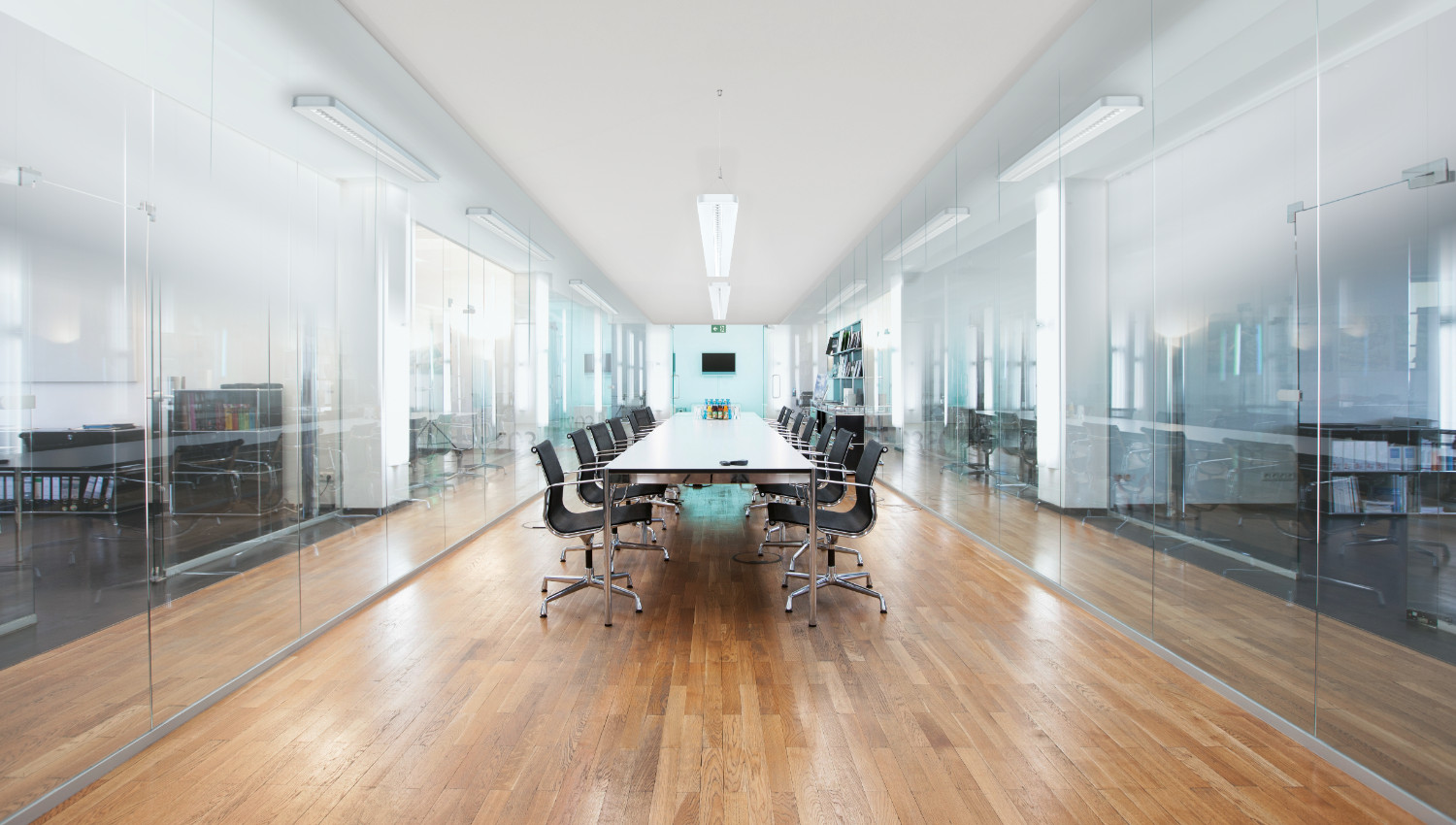
LED downlights are a popular type of recessed lighting, offering a modern alternative to traditional lighting technologies. Installed into a hollow ceiling opening, these fixtures provide a clean and minimalist look, enhancing the sophistication of the space.
With the advanced LED technology today, LED downlights can deliver exceptional lighting and help to reduce electricity and maintenance costs. This guide covers what a downlight is, their types, applications, and benefits to help you choose the appropriate fixture for different spaces.

A downlight is a type of lighting fixture installed inside the ceiling, pointing downwards and creating a clean and uncluttered feel. It can be used as main lighting or to provide localized lighting to specific areas. Because of its compact size and concealed within the ceiling, it doesn’t affect the overall layout. This type of fixture is widely used in offices, retail spaces, hotels, corridors, and commercial places.
Most modern downlights now use LED technology. These fixtures typically consist of three main components:
● Housing: The hidden, structural part installed inside the ceiling. It holds the LED driver and provides heat dissipation.
● LED Driver: An electronic component that converts standard AC household current to the low-voltage DC power required by LEDs.
● Trim: The visible, decorative part that covers the ceiling hole. It may include a diffuser or a reflector and comes in styles like baffle or lens.
To accommodate different ceiling structures, spatial layouts, and lighting requirements, downlights are available in a wide range of types.
This is the most common type, where the main body of the light fixture is installed in a pre-drilled opening in the ceiling. Only the outer frame or cover is flush with the ceiling. Suitable for spaces with suspended ceilings.
It is installed directly on the ceiling surface, eliminating the need to drill holes in the roof. Surface mounted downlight is ideal for existing ceiling structures where there is no suspended ceiling, limited ceiling height, or no openings can be made.
This type has a fixed angle after installation, and the lamp head cannot be adjusted. It has a simple structure, low cost, and is appropriate for basic lighting.
The internal structure of the lamp head can be adjusted to change the angle, allowing users to change the direction of the light as needed (usually from 0°–35°). It is often used to illuminate retail display lighting and gallery spaces, or as a wall washer to create a sense of spatial depth.
Spot downlights emphasize a narrow beam angle (typically less than 15°) to produce a focused, concentrated light effect, creating a noticeable spot of light on the ground or wall. It is a good match for product display in commercial stores, or for highlighting specific artworks and decorative items in residential application.
● Sleek and Modern Aesthetic: Downlights offer a clean, streamlined look that integrates seamlessly with ceilings. For retail, hotel, and office environments where ceiling aesthetics are important, this design creates a cleaner visual effect without compromising lighting performance.
● Versatile Applications: They can be customized with different beam angles, color temperatures, and dimmable options, suiting different illumination needs, such as focused task lighting and soft ambient lighting.
● Targeted Lighting Control: Downlights allow you to direct light precisely where needed. This makes them an excellent choice for businesses and property owners who want to create a specific mood or highlight areas.
● Improved Visual Comfort: With diffuser or baffle trim options, downlights minimize glare to create a comfortable lighting environment in workplaces and commercial settings.
Downlights are widely used across residential, office, and commercial environments due to their ability to combine functional illumination with modern architectural aesthetics.
 In modern homes, downlights are a popular choice for creating a clean and minimalist ceiling design. They are commonly installed in living rooms, kitchens, bedrooms, and hallways, providing bright yet unobtrusive lighting.
In the business world, lighting plays a key role in productivity and atmosphere. A study published in Medicina del Lavoro found that office workers spent an average of 5.2 hours per day working on computers, while the measured illuminance levels in more than half of the workstations were below the IESNA standard. Properly designed downlight systems can help address this issue. Downlights are widely used in offices, conference rooms, and reception areas because they deliver consistent, glare-free illumination. Proper lighting reduces eye strain, which is important for employees working long hours at computers. At the same time, downlights contribute to a professional and modern look, which helps businesses make a strong impression on visitors and clients. Thanks to their LED and smart control efficiency, they also help companies reduce energy costs, which is a big advantage in large office buildings. Indeed, a meta-analysis by the Lawrence Berkeley National Laboratory found that smart efficiency controls reduce office lighting energy consumption by up to 38%, while broader upgrades to integrated LED systems can slice lighting-related energy costs by 50% to 70%.
Hotels, restaurants, and cafes often use downlights to create welcoming environments. In hotel lobbies, they provide bright general lighting while maintaining a stylish ceiling design. In restaurants, strategically placed downlights help create intimate dining atmospheres by highlighting tables or decor features. Cafes and bars benefit from the flexibility of dimmable downlights, which can adjust the mood throughout the day.
Downlights and ceiling lights are two of the most commonly used indoor lighting solutions, but they differ in some aspects. The table below provides a clear comparison to help you choose the right option for different spaces and design needs.
| Features | Downlight | Ceiling Light |
|---|---|---|
| Installation | Recessed into ceiling | Mounted on surface |
| Light Direction | Focused, directional | Diffused, wide-area illumination |
| Ceiling Requirement | Needs false/drop ceiling for installation | Works with any ceiling type |
| Aesthetics | Minimalist, hidden, and modern | Serves as a decorative design element in the room |
| Application | Primarily used in commercial spaces such as shops, offices, and showrooms | Primarily used in residential settings, such as living rooms and bedrooms |
| Function | Task lighting, accent lighting, or zoning specific areas | General ambient lighting |
Downlights may flicker for several reasons, most of which are related to power supply and compatibility issues. Here are some common issues.
● Poor-Quality Drivers: LED lights rely on drivers to regulate the current. If the driver is low quality, damaged, or incompatible, it can cause unstable power flow, leading to flickering.
● Incompatible Dimmers: Many older dimmer switches were designed for incandescent bulbs, not LEDs. When paired with LED downlights, these dimmers may not supply the correct voltage, causing visible flicker.
● Voltage Fluctuations: If the building’s electrical system experiences voltage drops or surges, LED downlights may flicker temporarily.
● Loose Wiring or Connections: A loose connection in the fixture, switch, or circuit can interrupt the flow of electricity and cause the lights to flicker intermittently.
● Overheating Issues: Poorly designed downlights may overheat, which can cause performance issues, including flickering.
You may wonder how to fix flickering LED downlights. To address flickering LED downlights, start by using high-quality fixtures and drivers from reputable brands, and ensure your dimmer switch is specifically rated for LED compatibility. You should also inspect the wiring to confirm all connections are secure, as loose wires are a common culprit. If these steps don't resolve the issue, it's best to consult a qualified electrician, as persistent flickering could signal a more significant underlying electrical problem.
LEDVANCE offers a wide variety of recessed LED downlights. Here are two of our most widely used models:

This versatile LED Microdisk offers dual functionality with an integrated night light mode that is easily activated using a standard wall switch. This feature produces a calming ambient glow with a very warm 2200K color temperature and a gentle 20 lumens of output. For its primary function, the main light provides excellent flexibility with five selectable color temperatures. Delivering high-quality, efficient illumination of up to 87 lumens per watt, this easy-to-install fixture meets the latest downlight standards for both Energy Star and Title 24.
 The SYLVANIA Downlight Gimbal is a family of recessed luminaires available in 3 sizes (3", 4", 6"). Perfectly suited for accent lighting, it features a narrow 45° beam angle and exceptional color rendering (CRI 90). Available for five color temperature options, it can create the ideal ambiance of the space, and adjust the brightness level from 10% to 100% to suit your needs. This versatile family of luminaires suits residential, hospitality, retail, and low-bay applications, offering up to 88% energy savings compared to equivalent halogen fixtures .
If you want a downlight that can be aimed in a specific direction, the gimbals' recessed lighting style can meet your needs. This style is perfect for highlighting artwork, displays, or architectural features. When selecting LED downlights, consider your ceiling type and insulation compatibility to ensure seamless installation and optimal performance.
FOLLOW US ON:


