
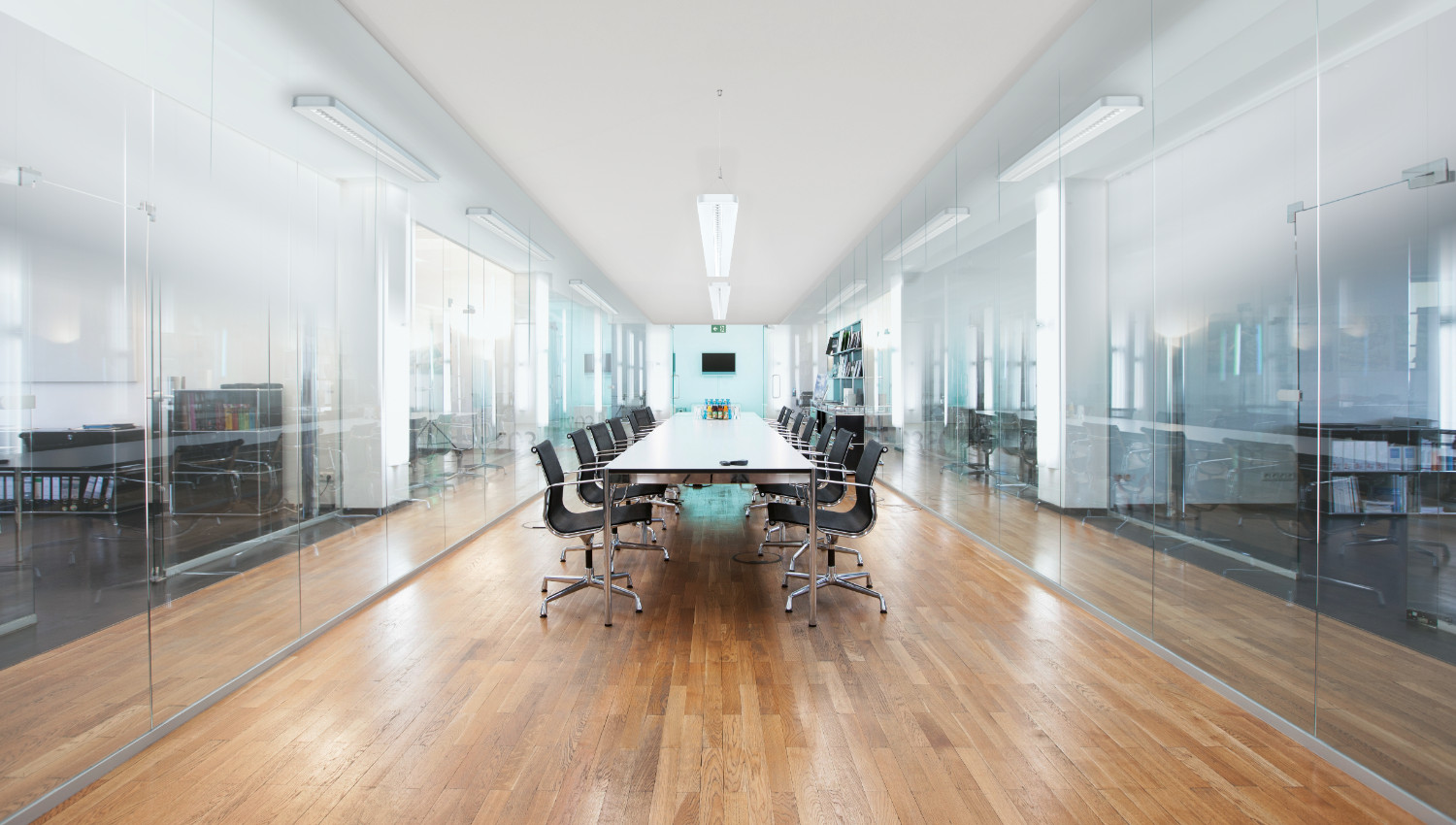
Lumen is not a synonym for brightness. It is a key criterion for measuring the total amount of light. It directly affects the usage effect of lighting products in different scenarios. Today, we will break down what lumen is and explain the practical significance of lumens in the lighting industry.
First of all, it is necessary to clarify a misunderstanding. Lumen does not directly equal the brightness perceived by the human eye, but is a unit for measuring the total luminous flux emitted by a lighting source.
Imagine the lighting source as a faucet sprinkling water. Brightness is like the density of water you feel when standing near the faucet. The closer you are, the stronger it feels. Lumen is the total amount of water sprayed by the faucet in a unit of time. No matter which direction the water goes, the total flow adds up. This total flow is what lumens describe in the field of lighting.
In the early days of the lighting industry's development, many people judged lamp brightness by watts. For example, a 40-watt lamp was seen as brighter than a 25-watt one.
However, with the rise of energy-saving sources like LEDs, the link between watts and brightness has weakened. Lumens are now the core criterion for measuring actual luminous capacity.
By definition, watt is a unit for measuring electrical energy consumed by appliances. It reflects the energy consumption level of lighting products.
It is important to note that brightness should no longer be judged by watts. For example, a 10-watt LED lamp may have different lighting effects. A high-quality product might reach 120lm/W, while a low-quality one may only reach 80lm/W. This shows a clear difference in performance.
Therefore, when choosing lighting products, focus on lumens. Then, calculate luminous efficacy using watts. This helps you select products that are both bright and energy-efficient.
The most practical issue is how many lumens of lighting products to choose for different scenarios. Combining the design standards of the lighting industry and the daily usage requirements, the lumen reference ranges for different settings can be summarized.
| Area | Lumens/Sq M |
|---|---|
| Corridor | 300-500 |
| Retail store | 500-800 |
| Supermarket | 800-1200 |
| Office | 400-600 |
| Restaurant | 500-800 |
| Hotel lobby | 2000-5000 |
When choosing lumens for commercial applications, one should consider more than just brightness. Two core factors must be taken into account.
The first is brand positioning matching. For example, high-end luxury stores need low lumens and high-emphasis lighting. This helps highlight the scarcity of the products. Budget supermarkets need high lumens and uniform lighting. This shows value for money.
The second is the control of operating costs. Commercial spaces usually keep lights on for 10 to 12 hours a day. High-efficiency LED light sources should be the first choice. They meet lumen needs while lowering electricity costs. For instance, if 800 lumen spotlights are needed, a 10W lamp can save 0.05 kilowatt-hours per day compared to a 15W one. Over time, this creates a big difference in operating costs.
When reading the lighting instructions label on the bulb packaging, first look at the lumens. This helps judge the brightness. Then check the wattage to understand the energy consumption level. Choose the right light color atmosphere based on the color temperature.
Also, pay attention to other details. These include service life, whether it is dimmable, and the color rendering index. This helps you quickly choose a suitable lighting product.
You can take specific steps to maximize or extend the lumen rating of any LED product. In return, you'll be able to save money by reducing overhead costs with this energy-efficient solution.
Here are the best ways to maximize your LED light life.
1. Control the LED lights when they're not in use. Turn them off when you leave a room. You can even install smart switches or motion detectors to maximize the illumination efficiencies of a home or business.
2. Avoid turning the lights on and off frequently. This action could negatively impact any lighting options.
3. Use timers to manage your lighting to avoid using them when no one is in the room.
4. Ensure the switch can support the fixture. Some LED lights under-perform when equipped with traditional dimmers.
Try reviewing the light maintenance rating when looking for the best LED lighting solutions for your needs. That information lets you know what to expect when you purchase the product.
FOLLOW US ON:


