
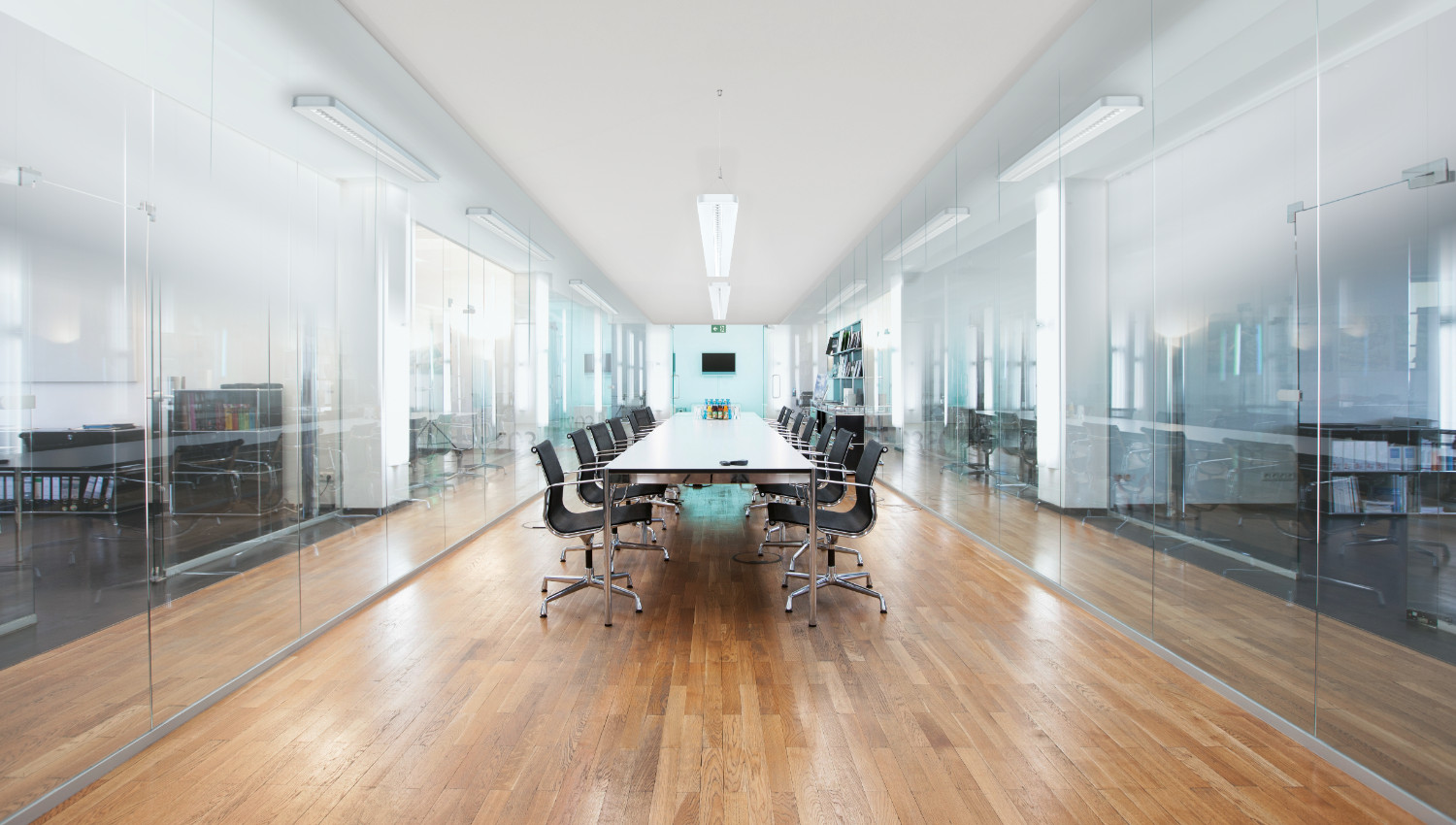
Choosing the right lighting for your business can greatly affect its ambiance, functionality, and aesthetic appeal. Track lighting and recessed lighting are two popular options, each with its distinct advantages and best-use scenarios. When many people are decorating or renovating their spaces, they often get stuck in the dilemma of choosing between track and recessed lighting.
Let’s dive deeper into track lighting versus recessed lighting including their characteristics, benefits, and ideal applications to help you make an informed decision.
 Track lighting consists of a series of light fixtures attached to a continuous track device. This track houses electrical conductors, allowing multiple light fixtures to be placed along it and adjusted as needed. This setup offers a lot of flexibility and customization.
Pros:
● Versatility: Track lighting is known for its flexibility. You can easily adjust the direction of each light head to focus on different areas, making it ideal for highlighting artwork, architectural features, or specific zones within a room.
● Easy Installation: Most track lighting systems can be mounted directly onto the ceiling or wall. This ease of installation is particularly beneficial for those who want to avoid the hassle and expense of cutting into drywall.
● Adjustability: The ability to move and adjust the lights along the track allows for dynamic lighting solutions that can be easily modified to meet changing needs or preferences.
● Aesthetic Appeal: Track lighting adds a modern, industrial look to your home. It can blend well with various interior styles, from minimalist to eclectic designs, enhancing the overall aesthetic.
Cons:
● The track bar will occupy a certain amount of space. If installed in a room with a low ceiling height, it may cause a sense of oppression.
● When the lamps are exposed, the difficulty of cleaning them after dust accumulation is slightly higher than that of recessed lighting.
Track lighting is popular in both commercial and residential spaces. It offers flexibility and a modern look. This system works well when lighting needs to change often. People commonly use it in retail displays, art galleries, showrooms, offices, and kitchens. Directional spotlights highlight specific areas or objects effectively.
●Living Rooms: Track lighting is perfect for living rooms with low ceilings, as it draws light downwards, creating an illusion of height. It can also be used to create different lighting zones, such as reading areas or entertainment spaces.
●Kitchens and Offices: The flexibility and direct lighting capabilities make track lighting a great choice for task-oriented areas like kitchens and offices, where adjustable, focused lighting is essential.
●Retail Stores: Direct light to new collections, seasonal displays, or featured products.
●Art Galleries & Museums: Highlight individual artworks with adjustable spotlights.
●Hospitality: Create mood lighting in restaurants, lobbies, or cafes.

 Recessed lighting, also known as can lighting or downlighting, involves installing light fixtures into the ceiling so that they appear to shine from an opening in the ceiling, creating a streamlined look. This type of lighting is embedded within the ceiling, providing a clean and unobtrusive appearance.
Pros:
● Sleek and Subtle: Recessed lights blend seamlessly into the ceiling, offering a clean and unobtrusive look that doesn’t compete with other design elements in the room.
● Even Lighting Distribution: Recessed lights can provide uniform ambient lighting throughout a space, making them ideal for general illumination.
● Space-Saving: Because the fixtures are embedded in the ceiling, they don’t take up any visual or physical space, making rooms feel more open and less cluttered.
● Energy Efficiency: Modern recessed lights, particularly those using LED bulbs, are highly energy-efficient, reducing energy costs over time.
Cons
● Recessed lighting has relatively poor flexibility. Once installed, the position and angle of the lamps cannot change.
● It requires high installation accuracy. If the hole size is incorrect, the lamp may become loose or allow light to leak.
● Living Rooms: Recessed lighting works well in living rooms with standard or high ceilings, providing general illumination and highlighting specific areas like seating or media zones.
● Bathrooms: These lights are perfect for creating a soft, ambient glow in bathrooms and bedrooms. They can be strategically placed to enhance functionality without overpowering the space.
● Workspaces: Uniform, glare-free lighting that supports productivity.
● Corridors: Space-saving lights for safe, functional passage areas.
● Restaurants: Ambient ceiling lighting that sets the right atmosphere.
Several factors influence the choice between track and recessed lighting.
Track lighting works well in rooms with high ceilings. 2.7 meters is the key boundary. When the height of the space is higher than 2.8 meters, the protruding structure of the track lighting will not cause visual oppression and can better leverage the advantages of focused light, making it suitable for the vast majority of settings. It draws the eye downward and creates a sense of height and also allows flexible positioning of light heads to highlight specific areas or features.
Recessed lighting suits rooms with lower ceilings. It spreads light evenly without making the space feel cramped. This type of lighting provides uniform ambient illumination, which is ideal for general lighting needs.
Aesthetic preferences also matter. Track lighting offers versatility and can focus on different parts of a room. It gives a modern, industrial look that fits many styles. Recessed lighting, in contrast, creates a sleek and unobtrusive appearance. It blends well with minimalist and contemporary designs.
Installation is another key factor. Track lighting is easier to install and modify, making it convenient for DIY projects. Recessed lighting usually requires professional installation and sometimes structural changes. However, it delivers a clean and finished look that many homeowners value.
Seasonal changes, festival promotions, and new product launches often require quick adjustments to product displays. Track lighting makes these changes easy because you can reposition lights immediately. In contrast, recessed lighting is far less flexible. To move lights, you must remove the ceiling and rewire. This process can close your business for one to two days and cost a lot in labor and materials.
Track lighting is usually cheaper and easier to install. It costs about $100–$300 per fixture when using existing wiring. Adding new wiring only adds minor costs. Recessed lighting costs about the same per light, but often runs higher in existing homes. Extra work like cutting ceilings, adding housings, and fixing drywall can push costs to $200–$300 per fixture. In new construction, recessed lighting can be less expensive. However, it is still more labor-intensive and less predictable in cost than track lighting.

The choice between track lighting and recessed lighting depends on your needs, style, and the space you want to light. Both options offer unique benefits. Each can improve function and enhance the look of your home.
Track lighting is ideal if you want flexibility and easy installation. It is versatile and stylish. Recessed lighting is better if you prefer a clean, subtle design with even light distribution.
FOLLOW US ON:


