
Choosing the right color temperature can significantly impact the look and feel of a space. It affects not only the visual appearance of a space but also mood and performance. In this guide, we compare two of the most commonly used options, 4000K and 5000K, to help you make the best choice for your business or project.
4000K light falls into the category of neutral white, offering a balanced illumination that is neither too warm nor too cool. This versatility makes it suitable for a wide range of settings, from residential to commercial spaces.
5000K color temperature light emits a daylight-like illumination with a crisp and clear quality, although it still appears slightly warmer than natural daylight.
It is ideal for spaces where visibility and focus are critical, including workshops, warehouses, and commercial facilities
For spaces requiring a cozy ambiance, such as living rooms or bedrooms, 4000K lighting is preferable. In workspaces or areas where precision tasks are performed, like offices or studios, 5000K lighting excels in providing clarity and alertness.
As for atmosphere, 4000K lighting creates a warm, inviting environment, ideal for social interaction and relaxation. 5000K lighting fosters a bright and energetic ambiance, enhancing productivity and focus.
Last but not least, while 4000K offers a natural color rendition with a hint of warmth, 5000K ensures accurate color reproduction, suitable for environments where color accuracy is paramount.
Indoor Lighting:
For a space like a bedroom, where relaxation and comfort are key, opt for 4000K lighting. The warm, inviting glow of 4000K creates a cozy atmosphere conducive to relaxation.
In contrast, the 5000K lighting is suitable for spaces where tasks require focus and concentration. Its cooler, daylight-like illumination promotes alertness and boosts productivity.
Office Environment:
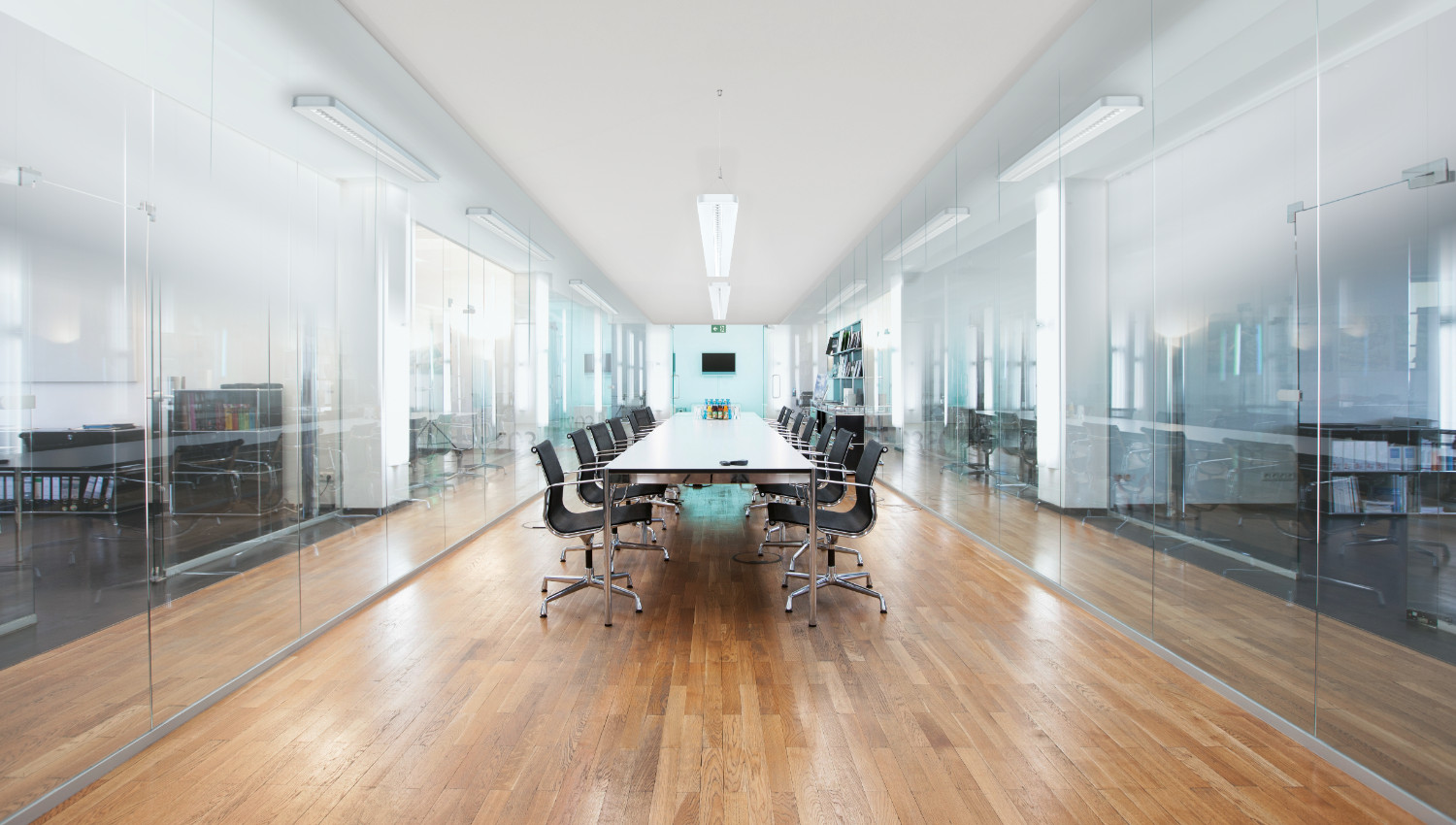
Utilizing both 4000K and 5000K lighting strategically can strike a balance between employee comfort and workplace efficiency in the office.
For example, use 4000K lighting for general illumination. It creates an inviting atmosphere for employees throughout the space. In task-oriented areas, such as desks, conference rooms, and workstations, 5000K lighting helps employees stay focused and attentive during work hours.
Commercial Space Design:
In retail environments, the right ambiance is key to attracting customers and enhancing their shopping experience. 4000K lighting can create a warm and inviting atmosphere, which encourages shoppers to explore and linger.
Conversely, 5000K lighting can highlight product details and colors in showrooms or display areas, drawing attention to key merchandise and enhancing visual appeal.
Introducing LEDVANCE’s MICRODISK NIGHT RING - a lighting solution that offers flexibility and safety in one package. This product allows users to select their preferred color temperature, with options ranging from 2700K to 5000K. Whether you desire the cozy warmth of 4000K or the bright clarity of 5000K, this Microdisk meets your lighting needs. Tested to UL263 standards for flame resistance and boasting a high CRI of over 90, it ensures both safety compliance and exceptional light quality. With energy savings of up to 92% and various wattage options available, it's a versatile choice for any space. Installation is hassle-free. Its IC Rating allows safe contact with ceiling insulation, and quick connectors are included. The Performance Class Blazeguard Flame Resistant Selectable Slim Microdisk offers the freedom to customize your lighting experience while delivering peace of mind and superior performance.
In the debate between 4000K and 5000K lighting, there is no one-size-fits-all answer. Each has its own set of advantages and is better suited for specific applications. By understanding the characteristics of each light temperature and considering your unique needs, you can make an informed decision that enhances both the functionality and atmosphere of your space.
FOLLOW US ON:


